
Bad Credit? Here’s How to Still Get a Medic
Running a medical practice is rewarding—but it’s al...
September 4, 2025


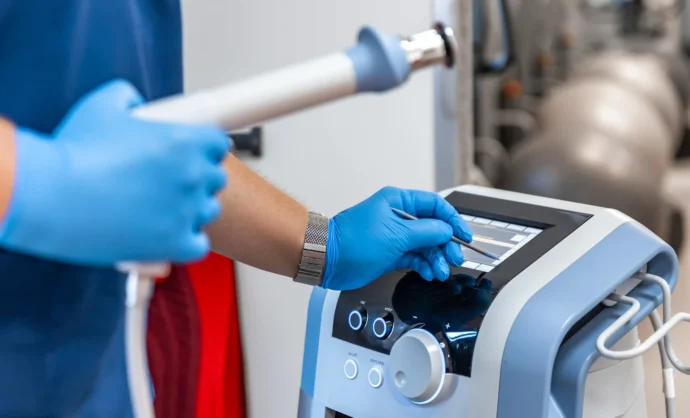
Modern clinics depend on reliable equipment to deliver safe and accurate care. However, the cost of advanced diagnostic and treatment tools can place real pressure on a practice budget. According to the American Hospital Association, hospitals and health systems in the United States spend billions of dollars each year on medical equipment and technology upgrades, which shows how essential ongoing investment is for healthcare providers
For small and mid-sized practices, careful planning is necessary to upgrade equipment while protecting daily cash flow. This is where medical equipment financing becomes a practical solution. Instead of paying a large amount upfront, practices can spread the cost over time and keep cash reserves available for operations. With structured financing, clinics can modernise their facilities without slowing growth or affecting patient care.
Medical equipment financing is a funding method that allows healthcare providers to purchase or lease equipment through scheduled payments. Rather than using savings or working capital, practices pay in predictable instalments. As a result, clinics can invest in new tools while still meeting payroll, supply costs, and other routine expenses.
This approach supports long-term planning. When equipment costs are distributed over time, practices gain clearer visibility into their budgets. In addition, financing helps align equipment expenses with the revenue generated from new services. Many clinics use financing to balance growth with financial stability.
Providers that work with National Medical Funding often choose financing because it is designed specifically for healthcare businesses. These solutions focus on speed, flexibility, and simple approval processes that match the needs of busy practices.
Clinics can choose from several financing paths depending on their goals and financial position. Each option offers a way to control upfront costs and maintain steady operations.
Equipment loans are common for practices that want to own their assets. Key features include:
Loans are useful for imaging systems, surgical tools, and core treatment equipment that clinics plan to use for many years.
Leasing is helpful when practices want flexibility. Important benefits include:
Leasing works well for fast-changing technologies where regular updates improve service quality.
Some practices combine equipment funding with working capital solutions. This structure keeps operating cash separate from major purchases. It allows clinics to manage daily expenses while investing in growth at the same time.
National Medical Funding offers a range of these structured options so practices can match financing to their real needs.
Advanced diagnostic machines such as digital imaging systems and specialized scanners improve accuracy and efficiency. However, these systems require large investments. Through medical equipment financing, practices can reduce upfront costs and pay over time.
The process usually begins with a vendor quote and a review of financing terms. After submitting financial information, practices receive approval decisions and funding that can arrive quickly. This speed allows clinics to install new equipment without long delays.
By spreading payments, practices protect their working capital. They can continue funding staff, supplies, and patient services while adding advanced diagnostic capabilities. This balance supports steady growth instead of financial strain.
Veterinary clinics often upgrade imaging and surgical tools to expand services. Equipment loans are well-suited for these investments. They allow veterinary practices to acquire modern systems and repay costs gradually.
Upgraded equipment can increase service capacity and attract new clients. As revenue grows, practices can manage repayment more comfortably. This structure connects investment with measurable returns. Many veterinary providers choose National Medical Funding because it understands the pace and demands of animal healthcare businesses.
Dental practices depend heavily on reliable chairs and treatment stations. Replacing outdated units improves efficiency and patient comfort. Flexible financing spreads the expense and keeps budgets stable.
Predictable monthly payments make planning easier. Practices can continue marketing efforts, staffing, and maintenance without interruption. Instead of delaying upgrades due to cost concerns, clinics move forward with confidence. Medical equipment financing supports these transitions without exhausting reserves.
Healthcare technology evolves quickly. Clinics sometimes need immediate upgrades to stay competitive or meet patient demand. Fast funding options address this need by shortening approval and disbursement timelines.
Rapid access to capital helps practices install new systems while maintaining liquidity. They avoid using emergency reserves or delaying improvements. National Medical Funding focuses on efficient funding processes so providers can respond quickly to changing requirements.
Upgrading clinic equipment does not have to reduce financial security. Through careful planning and structured medical equipment financing, practices can invest in modern tools while preserving cash reserves. Loans, leases, and flexible funding arrangements distribute costs in a way that supports steady operations. By working with experienced partners such as National Medical Funding, healthcare providers gain access to solutions built for their industry. This approach allows clinics to modernize, expand services, and maintain strong financial healthx
Most essential clinical tools qualify for financing. This includes imaging devices, surgical instruments, dental chairs, examination tables, and digital diagnostic systems. Lenders focus on equipment that directly supports patient care and practice operations.
Both new and certified pre-owned equipment are often eligible. Practices should confirm specifications with the financing provider before applying.
Repayment periods vary based on equipment value and lender policies. Many agreements range from short multi-month plans to several-year terms. Longer terms reduce monthly payments but may increase total interest. Clinics should review cash flow projections and choose a schedule that matches expected revenue from the equipment.
Yes, small and independent practices frequently qualify. Lenders evaluate credit history, business performance, and revenue stability. Even newer clinics may access options designed for growing healthcare businesses. Clear documentation and accurate financial records improve approval chances.
Financing is structured to minimize operational impact. Predictable payments allow clinics to maintain payroll, inventory purchases, and service delivery. Because high upfront costs are avoided, practices can continue routine activities without interruption.
Clinics should gather financial statements, credit information, and vendor quotes before submitting an application. Reviewing budgets and projected returns from the equipment helps guide decision-making. Preparation shortens approval time and ensures the selected financing plan supports long-term stability.
Running a medical practice is rewarding—but it’s al...
Why Financing Doesn’t Have to Be Complicated Mo...



15 Comments
HenryPaund
https://continent-telecom.com
JerryDyefs
rent a car in armenia yerevan
Timothyjef
car rental crete heraklion
MichaelLer
best car rental phuket airport
krm4win
If you are looking for a stable and exciting gaming platform then look no further. I have been using krm4win for a week and it is fantastic.
b9gameapp
The mobile experience is top-notch. It feels just like a native app and runs perfectly on my phone without any glitches. Download or visit b9gameapp for the best action.
JessieGlavy
https://continent-telecom.com
Edwardker
peru virtual phone number
Vancewaymn
car rental brindisi without credit card
Andrewmit
car rental casablanca no credit card
CharlesBah
car rental ksamil
RoberthaH
airport athens rent a car https://drivelity-greece.com
Georgewinly
car rental skopje without credit card
WilbertSwaft
rent a car plovdiv airport
Albertobic
car rental porto portugal airport